D-CAP TEAM
TEAM MEMBERS
Email: bnmorillon@gmail.com
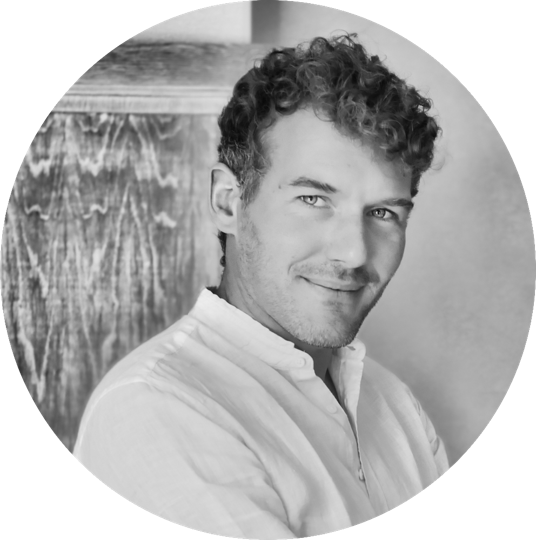
I am a cognitive neuroscientist interested in auditory neurophysiology and how information is sequentially encoded in the human brain. After a master’s degree in cognitive neurosciences, I performed a PhD at Ecole Normale Supérieure de Paris where I investigated the role of cortical oscillations as instruments of sensory selection, in the context of speech processing. Subsequently I completed two postdoctoral fellowships, at Columbia and McGill Universities, studying the influence of the motor system in auditory perception and its close interdependency with temporal attention. Currently appointed as an academic researcher at Aix-Marseille University, my domain of expertise encompasses brain imaging, advanced signal processing and psychophysics.
Email : aurelie.bidet-caulet@inserm.fr
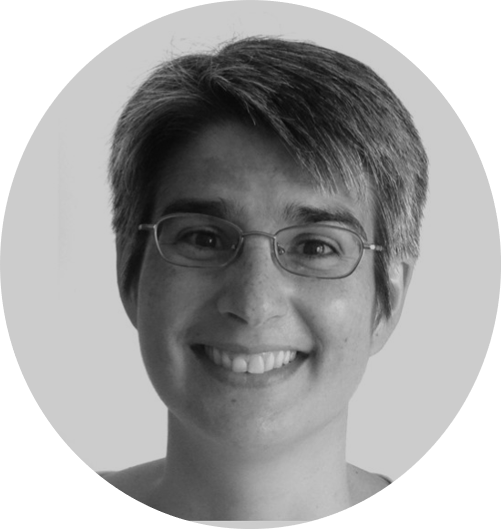
I performed my PhD work on the perception of complex auditory streams in the Brain Dynamics and Cognition lab, in Lyon (France) under the supervision of Dr. Olivier Bertrand. Then, I joined the lab of Pr. RT Knight at the University of California, Berkeley (USA) to explore the brain mechanisms of auditory selective attention. In 2010, I got appointed as an academic researcher at the French National Institute of Health and Medical Research (INSERM) to work in the Lyon Neuroscience Research Center (France). In 2021, I joined the DCP team at the INS in Marseille. My research work focuses on the brain mechanisms of auditory attention in Human, using pupillometry, scalp EEG, intracortical EEG and MEG. More specifically, I investigate the balance between bottom-up and top-down attention during typical development and ageing, and in different pathologies such as migraine, stroke, ADHD… I am particularly interested in the role of oscillatory cortical activities in the communication within and between the brain networks supporting attention.
DCP - Team Lead
Email: daniele.schon@univ-amu.fr
Phone: +33 4 91 32 41 00
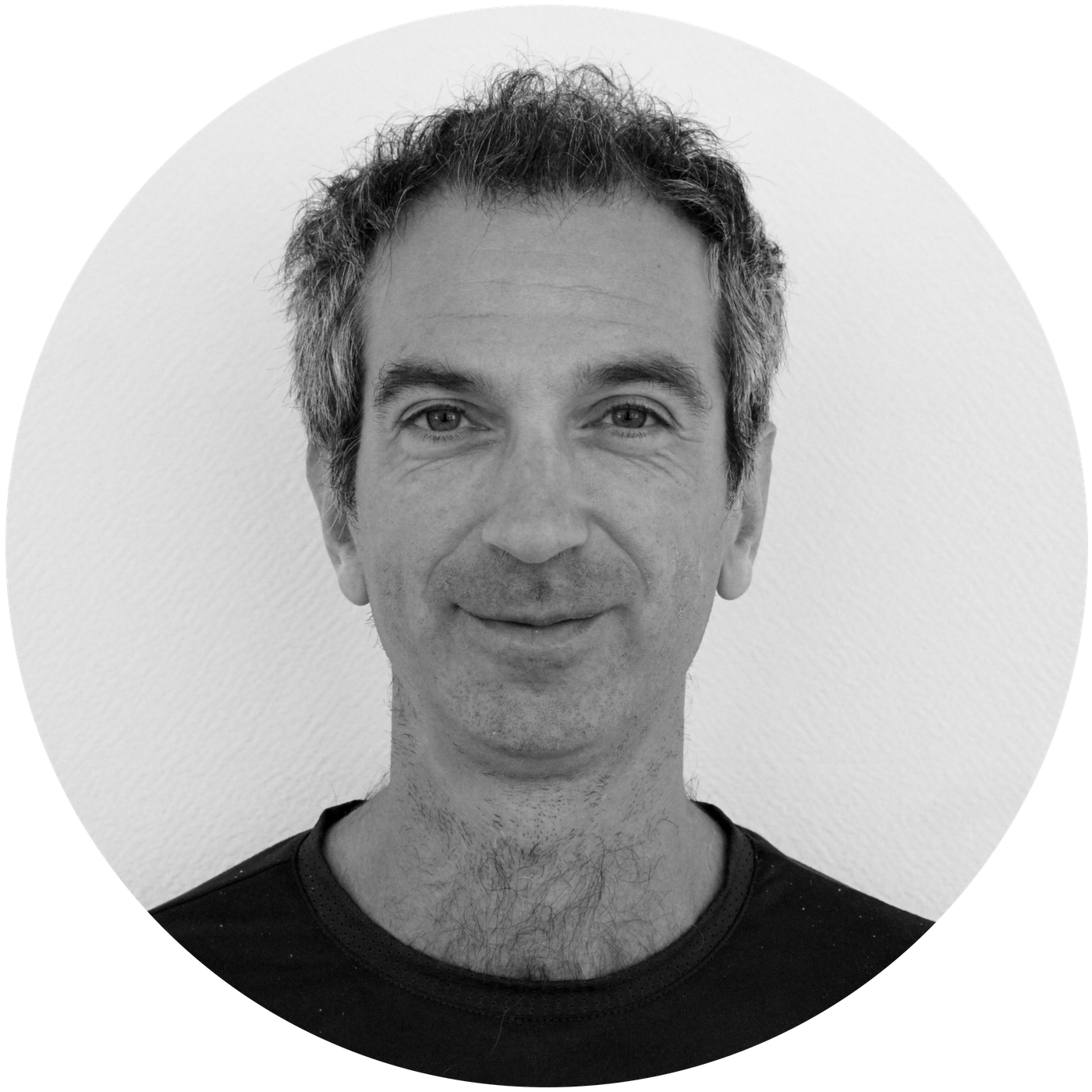
Daniele Schön studied cello at the Conservatory of Padua (Italy) and then perfected his skills first with Teodora Campagnaro, a student of Antonio Janigro and then with Menahem Meir, a student of Alexandre Alexanian and Pablo Casals. He has played in several ensembles, baroque, classical and jazz with a preference for chamber music and string quartet in particular.
Before leaving Italy under the Berlusconian regime, he also studied neuropsychology at the University of Padua. He prepared and obtained a doctorate in neuroscience between Marseille, Trieste and Ljubljana. In 2004, he became a CNRS researcher. He is currently working at the Institute of Systems Neurosciences in Marseille, where he is interested in the links between music, language and the brain with an opening to language pathologies. He believes that the symbiosis between science and technico-industrial innovation has now shifted into a pure and simple subservience relation.

Email: driss.boussaoud@univ-amu.fr
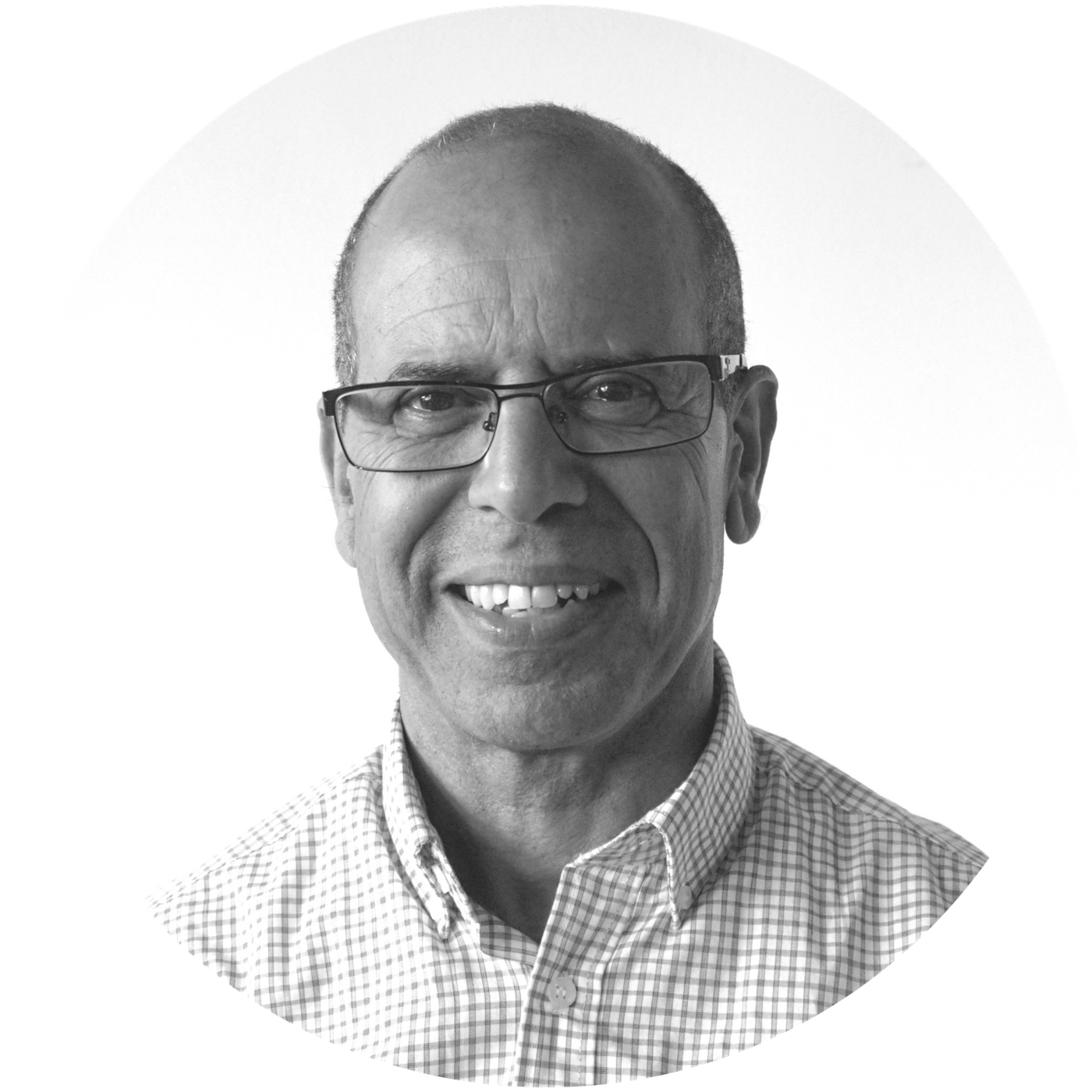
Driss Boussaoud received a MS diploma in Biology & Geology in 1980 from Mohamed 5th University (Morocco), and moved to Lyon (France), were he received his PhD in Neurosciences in 1983 from Claude Bernard, Lyon. After a short stay in Morocco as Assistant Professor (1984-85), he joined the National Institutes of Health in Bethesda (MD, USA), as a post-doc (1986-89) and as a visiting fellow (1990-92). In 1992, he was recruited by the CNRS (Lyon, France) where he has developed his research program on the emergence of function in brain networks using an multidisciplinary approach including neurophysiology, brain imaging and neuropsychology both in health and disease. Over his carrier, Dr Boussaoud has made significant contributions to the anatomy and physiology of the brain networks of vision, action planing, attention and gaze signals, as well as the brain dynamics during learning. His current work focuses on social learning addressing questions such as: how social context modulates neuronal properties? and how do we learn from others? He has authored and co-authored over 80 articles and book chapters, cited over 6000 times, and gave more than 100 international conferences. In addition to these scientific contibutions, Dr Boussaoud has occupied various positions in the CNRS, namely: Founder and Director of the Mediterranean Institute for Cognitive Neurosciences (INCM, UMR6193, Marseille); Member of the National Advisory Committee (comité national, 2004-2009); PI and Coordinator of the French-Moroccan Neuroscience Consortium (2008-2015; 29 laboratories); PI and Coordinator of N€UROMED, FP7 International Cooperation, REGPOT-2009-2 (2009-2013, 26 Institutions from 7 mediterranean countries). Since 2008, Dr Boussaoud has played an active role in the development of cooperation and exchanges among Mediterranean neuroscientists. In particular, he is the founder of the Mediterranean Neuroscience Society – MNS http://www.mnsociety.net/, and has acted as its 1st President (2009-2012).

DCP
After graduating in neurophysiology, I obtained a master’s degree in cognitive sciences from Paris University.
Next, I moved to Switzerland to complete a PhD in neuroscience at Ecole Polytechnique Fédérale de Lausanne, under the supervision of Olaf Blanke , in collaboration with Christoph Michel from the Geneva University Hospital. During my PhD, I investigated visual motion perception and the multisensory aspects of embodiment using EEG brain mapping and clinical approaches.
Thanks to a prospective researcher fellowship from the Swiss National Science Foundation, I joined the laboratory of John Foxe and Sophie Molholm in New York. There, I investigated the role of neural oscillations in multisensory processes using intracranial and surface recording in humans. Next, I work with Fred Lado, Ashesh Mehta and Charlie Schroeder’s teams to develop multimodal tools for human intracranial investigations.
Back in France, a Marie Sklodowska-Curie Individual Fellowship from the European Commission allowed me to join the CerCo laboratory (CNRS, UMR5549) to pursue my investigations on multisensory processing, and especially the interplay with decision making.
Currently appointed at the Institute of Systems Neuroscience (Inserm, U1106) at Aix-Marseille University, I joined the DCP team to investigate the link between cognitive process and brain network dynamic using intracranial recording in human.
In addition to my research work, I promote the open and slow science frameworks to support research responsibility and ecological sobriety. I am an active member of the AtÉcoPol d’Aix-Marseille, a collective of scientists communicating about environmental issues and acting at redirecting the trajectory of our society from a systemic perspective.
Email: manuel.mercier@univ-amu.fr
https://orcid.org/0000-0001-6358-4734
My PhD is focused on language and speech therapy under the supervision of Pr Agnès TREBUCHON (INS) and F.-Xavier ALARIO (LPC). We explore the effect of prehabilitation (rehabilitation before neurosurgery) in the context of drug-resistant epilepsy. We are developing online rehabilitation tools in collaboration with Christelle ZIELINSKI (The ILCB Center of Experimental Resources). We are trying to understand if and how prehabilitation could improve cognitive resilience of the patients to surgical risk.
email : veronique.sabadell@ap-hm.fr
As a former engineer, I’m specialized on signal analysis and brain connectivity. During my PhD I studied the synchronization between different theta and gamma rhythms in the hippocampus of the rat at the Neuroscience Institute of Alicante, Spain. Then, I moved to Marseille to analyze simultaneous recordings at different scales (EEG, MEG, SEEG…) in patients with epilepsy. I worked with Dr. Benjamin Morillon on the role of theta and gamma oscillations in the auditory cortex during speech perception.
Now, my work is focused on the development of the OPM-MEG technology for epilepsy and functional mapping.
Email: v.lopez.madrona@gmail.com

D-CAP
Email: hugo.quenon@univ-amu.fr
After a degree in computer engineering, I joined the D-CAP team to develop tools for data collection and processing
I am a Speech and Language Therapist by training (Università La Sapienza, Roma) and clinical experience, passionate about everything that concerns the semantics and pragmatics of dialogue, its development and impairments or differences in clinical populations. This passion has led me first to pursue a master's in Neuroscience, Language and Communication (UCL, London), and then to dive into research with a PhD (Université de Paris) and a postdoc within the Institute of Language, Communication and Brain (Laboratoire Parole et Langage, Aix-en-Provence).My research projects focussed on the semantics and pragmatics of non-speech vocalisations in interaction, taking an interdisciplinary and multimodal approach to the study of language. Especially, my work has aimed to investigate how the use of non-speech vocalisations in interaction can be informative about infants' and children's pragmatic development, and contribute to the early identification of delays or differences in the socio-cognitive sphere.
I am now working with Daniele Schön (INS), in collaboration with Roxane Bertrand and Leonardo Lancia (Laboratoire Parole et Langage, Aix-en-Provence) on studying pragmatics and conversational dynamics in children with cochlear implants and adults within the autistic spectrum. Especially, we aim to investigate similarities and differences between conversational and music interaction, exploring bidirectional parallelisms, influences, and whether practice on the latter might have transferable effects for individuals struggling with the socio-pragmatic aspects of communication at different levels.
https://scholar.google.com/citations?user=ASyZ81EAAAAJ&hl=en&oi=ao

Email: jacques.pesnot@univ-amu.fr
Jacques Pesnot Lerousseau received a 2023 ILCB post-doc fellowship to work with Benjamin Morillon (INS), in collaboration with Valentin Wyart (ENS) and Jean-Rémi King (ENS). His project will address the question of “in-context learning” in human brains and artificial neural networks, aiming to uncover the mechanisms behind rule generalization in the brain and algorithms.
As a PhD student at INS, Jacques focused on temporal predictions in children with cochlear implants, under the supervision of Daniele Schön (INS). Later, as a post-doc at the University of Oxford with Christopher Summerfield (Universtity of Oxford, DeepMind), he developed artificial neural network models to understand how the brain structures auditory and visual information to promote generalization. Jacques’ work bridges auditory perception, computational modelling, and the intersection of neuroscience and artificial intelligence.
My research work focuses on attentional processing and its development throughout childhood. During my PhD, I will investigate the link between the arousal level, which is under the control of the LC-NE system, and the attentional balance, using behavioural measurements, electroencephalography and physiological recordings such as pupil dilation and skin conductance measures.
DCP
Conversation can be described as a coordinative verbal behaviour. Importantly, during conversation multi-level linguistic alignments have been observed, implying a convergence toward a common space between interlocutors. These phenomena seem to facilitate and improve communication. Promoting multi-level alignment could thus lead to improved comprehension between interlocutors. The aim of this thesis project will be to study in children, in a conversational context, the effect of rhythmic activity on interactive alignments, focussing on the linguistic levels that are more sensitive to temporal structure (e.g prosodic and phonetic levels). We will also explore, using EEG recordings, the neural dynamics that subtend these alignment phenomena.

In my PhD project i'm interested to look at the neural dynamics that support the processing of language structure - syntax. Specifically we're using a minimalistic paradigm, making use of small syntactic differences in very basic syntactic relations (between a head and its complement) and we're contrasting the dynamics of the effect between the modalities of perception and production. For this project i'm happy to be supervised by Kristof Strijkers (LPL), Benjamin Morillon (INS) and Liina Pylkkänen (NYU).
Thesis title: Temporal dynamics of natural sounds representations in human brain: acoustic, semantic and intermediate representations
My thesis project is part of a heavily collaborative project involving Giordano and Schön (Aix-Marseille University) and Formisano (Maastricht University). The aim of this collaborative project is to gain a better understanding of the neural dynamics of the process of transforming the acoustic representation of a sound (the representation of the sound's physical characteristics) into its semantic representation (e.g. the representation of the source of the sound: what/who, how and where; Giordano et al., (2022)). We know that auditory processing consists firstly of acoustic analyses of the sound, in particular frequency analyses at the level of the cochlea followed by spectro-temporal modulations analysis at the level of the primary auditory cortex (A1). However, the emergence of semantic representations of sound is still under debate. They appear to be already present in the superior temporal gyrus (STG) and ventrolateral prefrontal cortex (VLPFC). They then integrate a widespread neural network associated with an amodal semantic representation of sound (Binder, 2011). In order to clarify the spatiotemporal dynamics of these acoustic and semantic representations of sound, several neuroimaging techniques are being used in this collaborative project: magnetoencephalography (MEG) for its good temporal resolution (as part of my thesis project), functional magnetic resonance imaging (fMRI) for its good spatial resolution and intracranial electroencephalography (iEEG) for its good spatio-temporal resolution and the quality of the signal obtained (much higher than that obtained by indirect measurement). My thesis project therefore focuses on the temporal dynamics of acoustic and semantic representations of sounds. The general objective is to establish spatiotemporal maps of the acoustic and semantic representations of sounds in the brain in order to identify the temporal dynamics of the transformation of the acoustic representation of the sound into a semantic representation, the brain regions involved and to study the general process of object discrimination (which semantic representations are used). To this end, we are comparing acoustic and semantic representations derived from computational models with MEG brain data, over time. A representational similarity analysis (RSA) between the sounds is first performed for each type of representation (acoustic, semantic or cerebral), then different linear regressions of the cerebral response distances are performed based on the acoustic or semantic distances from the models.

After studying literature and completing a master's degree in cognitive sciences at the University of Côte d'Azur, I am now pursuing a doctoral thesis under the supervision of Benjamin Morillon. My PhD project aims to understand the involvement of the motor system in speech perception, particularly in the processing of the temporal dynamics of the speech signal.
Aim of my PhD project is to better understand the process of convergence between two interlocutors during a naturalistic conversation. To this end we will look at how various behavioural parameters at different levels (phonemic, morphemic, syntactic, discourse level) as well as other physiological parameters (e.g. electrodermal) correlate with neural signal (EEG).

My PhD research explores how rhythm shapes human auditory cognition. I aim to determine the ideal tempo for cognitive tasks and uncover the neural processes behind these optimal rhythms. By combining behavioral experiments with high-resolution brain electrophysiology, I directly link cognitive performance to brain activity. This integration provides a comprehensive view of how rhythm influences auditory perception.
D-CAP
I began my academic journey in psychology, studying attention through multiple object tracking, and then completed a Master’s in Cognitive Neuroscience focused on computational modelling of musical surprisal. My PhD in auditory neuroscience explores hedonic responses to natural sounds, aiming to understand both typical experiences of pleasantness and atypical sensitivities, such as misophonia. Using EEG, MEG, psychophysics, physiology, and behavioural methods, I combine computational and experimental approaches to investigate how the brain encodes the emotional impact of sound.