PhysioNet
(Physiology & Physiopathology of Brain Networks Team)
(Physiology & Physiopathology of Brain Networks Team)
PhysioNet is an interdisciplinary team of researchers pooling expertise from diverse backgrounds (engineering, biology, physics, medicine, mathematics) and aiming to understand the physiology of biological neuronal networks.
There are currently three research groups in PhysioNet whose activities overlap and that tackle the understanding of neuronal network physiology at multiple levels, from cellular physiology with patch clamp to neural population recording with extracellular electrophysiology, to whole-brain imaging and modelling.
EMAIL: pascale.quilichini@univ-amu.fr
PHONE: +33 4 91 32 42 31
—————————————————————————-
Email: pascale.quilichini@univ-amu.fr
Phone: +334 91 32 42 31
Research Gate page | Google Scholar page
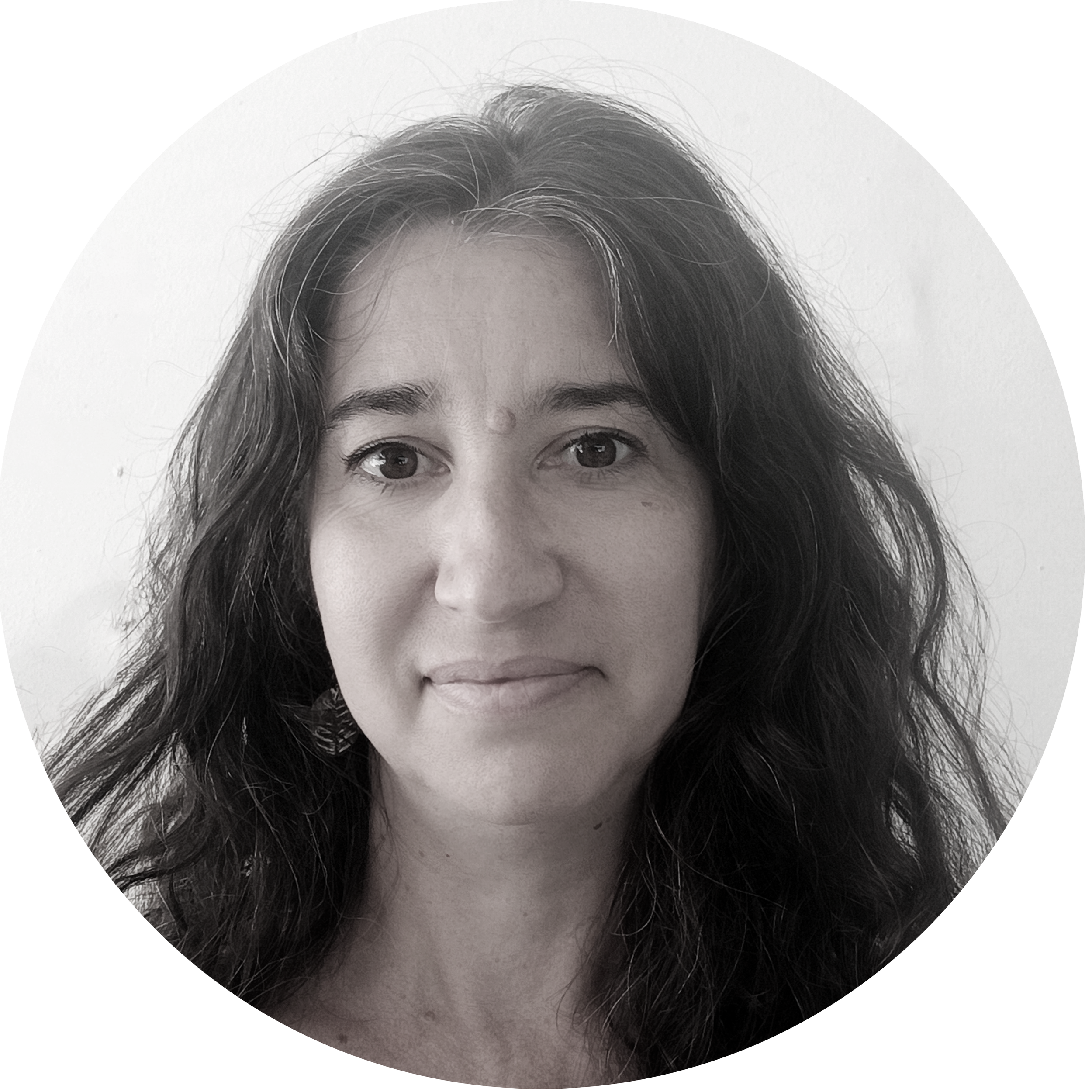
I am the "Dynamics of Neuronal Networks and Memory” group leader. We currently investigate the interactions between the temporal lobe (hippocampus and parahippocampal cortices), the thalamus (Nucleus Reuniens) and prefrontal cortex in the context of memory consolidation in physiological and pathological conditions. Our goal is to map the inner dynamics, both at the individual neuronal and functional connectivity levels, among these networks in order to decipher the mechanisms supporting the transfer of information for its long-term storage and how these processes are altered in pathology.
PhysioNet - Team Lead
Email: christophe.bernard@univ-amu.fr
Phone: +33 4 91 32 42 49
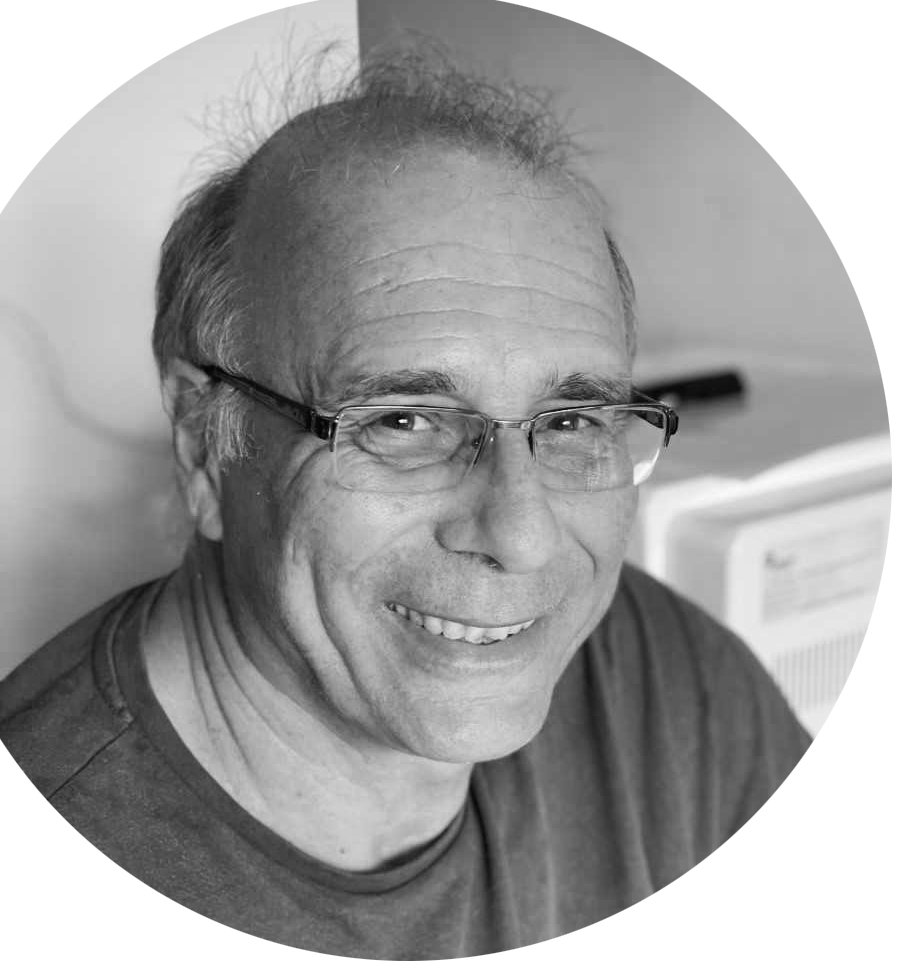
Christophe Bernard's main interest is to understand the mechanisms underlying the construction of an epileptic brain as well as the mechanisms underlying seizure genesis and propagation, focusing on Temporal Lobe Epilepsy (TLE). These research themes are being addressed using a wide array of disciplines, including electron microscopy, morphology, immunohistochemistry, in vitro and in vivo electrophysiology, behavior, mathematics and modeling. When the techniques were not available within the group (e.g. molecular biology), external collaborations have been developed. More recently, we started to design the tools necessary for some of our research programs. For example, we designed a recording device based on organic transistors, which outperforms any other recording device for field potential measurements. We also developed The Virtual Mouse Brain platform. Over the years, using experimental models of TLE, our group has developed a solid international reputation in the field of epilepsy.
Christophe Bernard was awarded the Michael Prize for epilepsy in 2007 and the Felix Innovation Prize in 2013 for the organic transistor. He isinvited to give between 5 and 15 lectures/keynotes every year. He is Editor in Chief of eNeuro, the open access Neuroscience journal of the Society for Neuroscience (SfN) and past reviewing editor for Science and Journal of Neuroscience.
PhysioNet
Born and bred in Rome, I studied Neuroscience in London and Paris where I pursued with a PhD supervised by Thérèse Jay and Sidney Wiener and then with a postdoc with Michaël Zugaro.
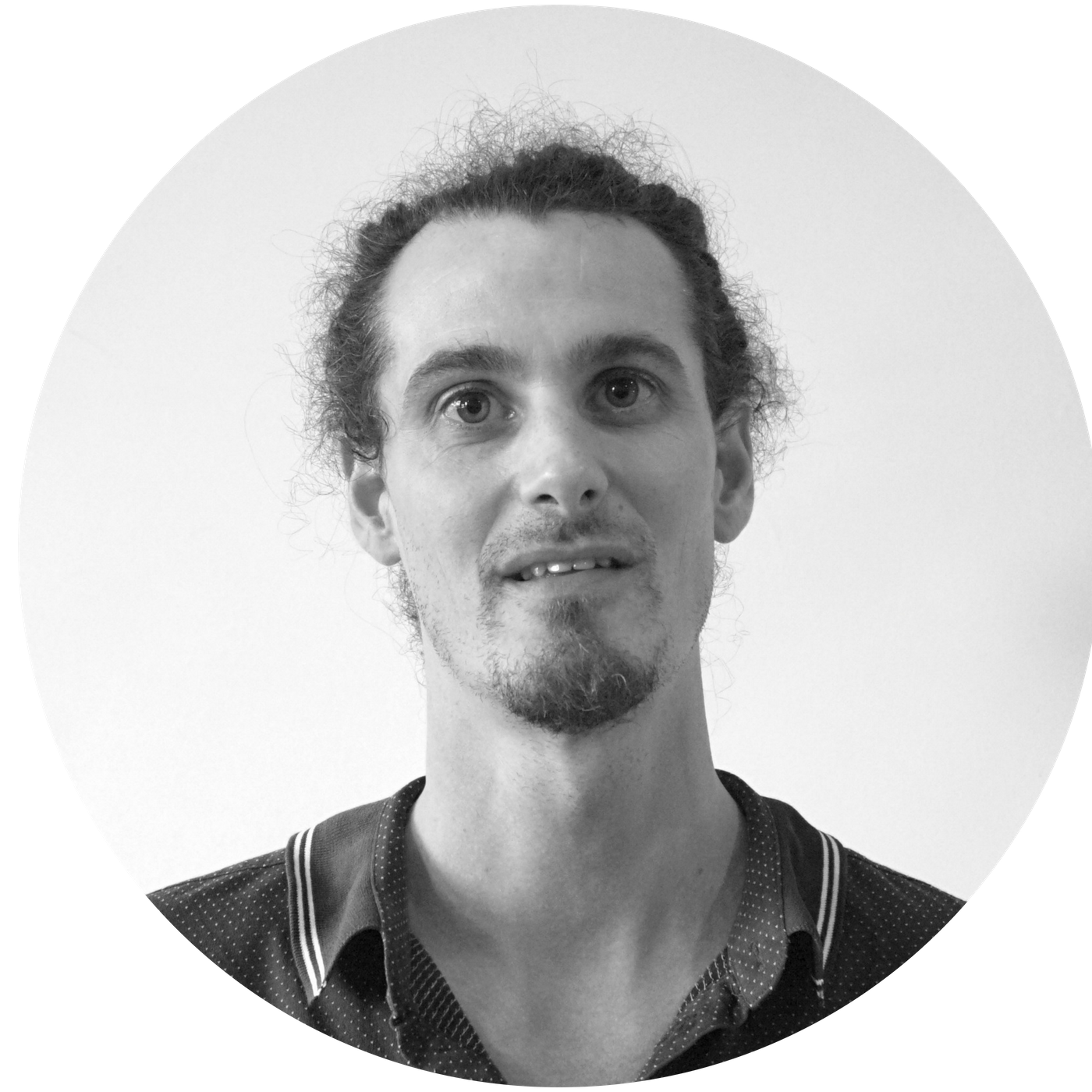
I am ultimately interested in the dynamics allowing the exchange of information between brain areas, namely how the information encoded in one neural structure is able to modulate the encoding in another area (and the other way around), and how these interactions orchestrate perception, learning, and behavior. To do so, my primary experimental approach is to perform high-density recordings of individual neurons simultaneously in multiple brain sites of freely behaving rats and then use data mining and analysis to study neural population dynamics.
PhysioNet
Email: jose.boucraut@univ-amu.fr
Principales étapes de carrière
1978-1983 : Etudes de Médecine, Marseille
Interne en Médecine : 1983-1989 : Médecine Interne, Rhumatologie, Neurologie
Thèse de Médecine : 1989
Assistant Hospitalo-universitaire 1992 : Laboratoire d’Immunologie – Consultation Clinique / Service des maladies Neuromusculaires Pr G Serratrice.
Thèse de Sciences en Immunologie : 1992 : Centre d’Immunologie de Marseille-Luminy -supervision : Dr Ph Le Bouteiller.
Stage Post-doctoral (1992-1993) Max Plank Institute, Munich, Allemagne : Laboratoire de NeuroImmunologie du Pr H. Wekerle.
Habilitation à diriger des Recherches en Immunologie : Septembre 2007
Chef d’équipe CNRS : “Interactions Neuroimmunes et pathologies du système nerveux”. NICN, puis CNR2M, UMR 7286. 2002-2017.
2018 – 2021 : Institut de Neuroscience de la Timone (INT), UMR CNRS 7289 Equipe MirCOs, puis Canop depuis Janvier 2021.
2021 – Institut des Neurosciences des Système, INS UMR 1106, Equipe C Bernard, Physionet
Activités d’encadrement
Encadrement de thèse de sciences (10 dont 2 en cours)
Encadrement de Master 2 recherche : (38)
Membre rapporteur de jury de thèse de Sciences (15) et d’HDR (6)
Charges pédagogiques
Charges pédagogiques : 250 h Faculté de Médecine, de Pharmacie, d’odontologie, de Sciences. Responsable de module d’enseignement :
• DFGSM2 : tissus sanguins et système immunitaire
• Module de Master 1 Immunologie Secteur Santé
• Module de Master 1 Neurosciences (Co-habilité Sciences – Santé).
• Module de Neuroimmunologie du diplôme inter-universitaire : Immunologie et Immunopathologie
Principales responsabilités Universitaires
Membre élu du CNU, section 47.03 : 2102-2017 – ré-élu en 2018
Membre élu de la commission recherche AMU depuis 2017 – Membre du conseil Académique AMU.
Principales activités hospitalières
Responsable de 2 secteurs du laboratoire d’Immunologie AP-HM
• Analyses immunochimiques des protéines sanguines, urinaires et du LCR
• Biomarqueurs des pathologies auto-immunes, inflammatoires, neurodégénératives du système nerveux.
Email: antoine.ghestem@univ-amu.fr
Phone: 04 91 32 42 55
2000 to 2007 Antoine was engineer assistant in molecular biology at the JPARC (INSERM U837) in Lille. He had Proteomic works: biochemical diagnoses of various neurodegenerative diseases, and search for markers. Since 2007 he had joined the UMR 751 as engineer (now the Institut de Neurosciences des Systèmes, UMR1106). His research is center on in-vivo electrophysiological recording technics in freely-moving rodents.
Email: Anton.IVANOV@univ-amu.fr
Anton Ivanov is a research engineer. He is an expert in neuronal electro-physiology, metabolic imaging and molecular sensing. His specialization is a development of research equipment and experimental protocols for simultaneous recording of metabolic and electrophysiological activities in brain preparation ex vivo. He participates actively to the INS research projects, his scientific results were published in more than 20 scientific articles and book chapters.
Doctor in neuroscience with experience on intracranial human recordings and transcranial electrical stimulation. Currently working as a post-doc in PhysioNet, with a project on circadian and multidien rhythms in epileptic activity of rats (single units and lfp). Open science advocate and part-time photographer.
PhysioNet
Email: nariman.kiani@univ-amu.fr
I started my journey in neurosciences from the University of Calgary. My fascination with research started when I embarked on completing my honors thesis on the topic of Brain-Gut-Microbiota axis. After a year-long pause in Sweden as an exchange student, I began master’s degree in the University of Bonn, Germany. There, I developed a sense of curiosity regarding the pathologies of synaptic transmission, especially in the context of stroke.
Now, I work on electrophysiology and astrocyte neurobiology in the context of epilepsy. The topic of my PhD thesis concerns K+ clearance and metabolic processes in astrocytes before the onset of seizures.
PhysioNet
Email: jiaxin.lyu@univ-amu.fr
I am a PhD student jointly supervised by Christophe Bernard and Viktor Jirsa. Always having a passion for understanding complex systems, I decided to major in computational neuroscience during my final year of Master's studies at Paris-Saclay University. Prior to this, I was trained in fundamental physics.
My PhD project centers around the study of low-dimensional structures, namely neural manifolds, that emerge from high-dimensional neural signals. It will be mostly based on sleep data in the first place, and I work towards a better understanding of the switch from one brain state to another.
Shunzuke KAJIWARA | PostDoc
Myriam AZZARELLI | PhD Student
Richard BOYCE | PostDoc
Monique ESCLAPEZ | DR Inserm
Ouafae ARAB | AMU IR
Maëva FERRARIS | PhD Student/PostDoc
Thomas DOUBLET | PostDoc
Armelle LOKOSSOU | PostDoc
Matthias DIPPER-WAWRA | PostDoc
Wesley CLAWSON | PhD Student
Yoshi NAKATANI | PhD Student
Ana FERNANDEZ VICENTE | PostDoc
Galyna MALIEIEVA | PhD Student/PostDoc
Priya GHUMATKAR | PostDoc
Loïg KERGOAT | PostDoc
Francesca MELLOZI | PhD Student
…
Nathan MINOUNI | Centrale-Supélec Paris
Correntin LASNE | Centrale-Supélec Paris
Yann ROCHE | Centrale-Supélec Paris
Raphaël NUNES DA SILVA | Centrale-Supélec Paris
Hugo DEGENEVE | Centrale-Supélec Paris
Valentin GRISEL | Epitech Marseille
Sarah WU | Centrale-Supélec Paris
Paul-Arno LAMARQUE | Centrale-Supélec Paris
Andrea Nuti | Scuola Superiore Sant’ Anna
Noé Hamou | ESPCI Paris
Benjamin WAKED | Centrale-Supélec Paris
Etienne GUEVEL | Centrale-Supélec Paris
Omar BENJELLOUN | ESPCI Paris
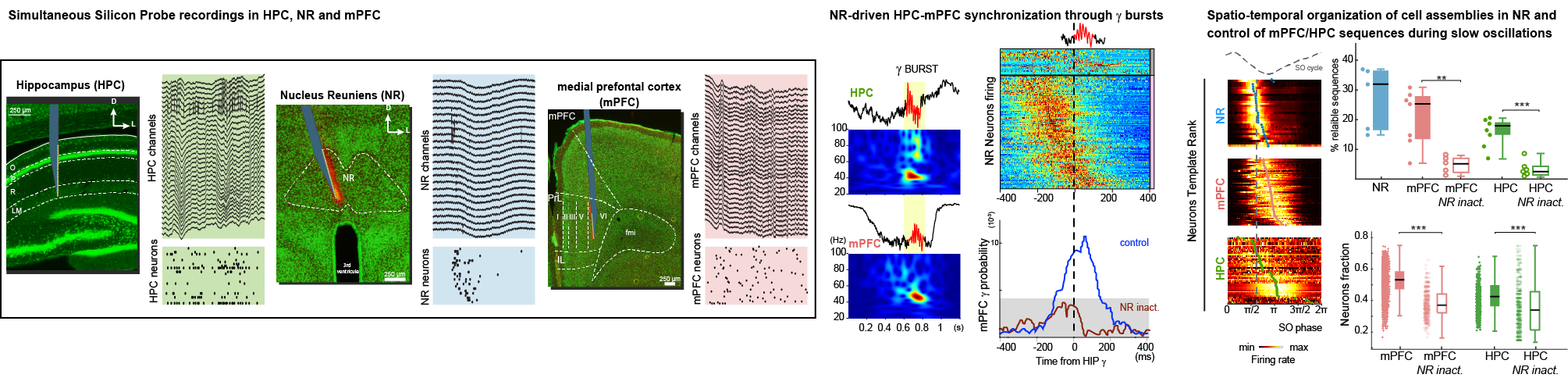
Cognitive processes depend upon the activity of distributed networks in the brain. We use multiple silicon probes recordings in rodents sampling the network activities and the firing of a large number of neurons in the hippocampus, prefrontal cortex, entorhinal cortex and thalamic nucleus reuniens.
Our two main goals are:
(1) Understand the fundamental mechanisms underlying the communication between brain regions controlling memory processes by deciphering how cortico-thalamo-hippocampal networks exchange information to encode and consolidate spatial-related information.
(2) Understand how these physiological rules are modified in different pathological conditions, such as epilepsy.
We use data mining approaches to determine how the dynamics of hundreds of individual neurons and local network oscillations collected in animals performing memory-related tasks can support both memory function and dysfunction.

Whatever it is, the way you tell your story online can make all the difference.
We are interested in the dynamics allowing the exchange of information between brain areas, namely how the information encoded in one neural structure is able to modulate the encoding in another area (and the other way around), how these interactions orchestrate perception, learning, and behavior, and how these mechanisms are affected by epilepsy. To do so, our primary experimental approach is to perform high-density recordings of individual neurons simultaneously in multiple brain sites in freely behaving rats and then use data mining and analysis to study neural population dynamics.
Using mathematical and modeling approaches in close collaboration with the TNG team of V. Jirsa, we are studying the basic mechanisms of seizure genesis and propagation across species. We also investigate the mechanisms of vulnerability to epilepsy induced by stress as well as the co-morbidities such as depression, cognitive deficits (memory). We use a multi-disciplinary approach in healthy animals (rats and mice), experimental models of epilepsy (pilocarpine and kainite models) and Alzheimer (APPNL-G-F transgenic mice) in which we couple multisite recordings (in close collaboration with P. Quilichini group) and behavior.

Whatever it is, the way you tell your story online can make all the difference.
Figures extracted from:
Ferraris et al (2018) J Neurosci 38(12):3026-3038. & Angulo-Garcia et al (2020) J Neurosci 40:8343-835.
Clawson et al (2023) J Neurosci 43(38: 6573-6587.
Ghestem et al (2023) J. Neural Eng. 20:046003.
Makdah G, Wiener SI, Pompili MN (2025) Detection of Cell Assemblies in High-Density Extracellular Electrophysiological Recordings. In: Carrillo-Reid, L. (eds) “Identification, Characterization, and Manipulation of Neuronal Ensembles“. Neuromethods vol 215. Springer
Rabuffo G, Lokossou A, Li Z, Ziaee-Mehr A, Hashemi M, Quilichini PP, Ghestem A, Arab O, Esclapez M, Verma P, Raj A, Gozzi A, Sorrentino P, Chuang K, Perles-Barbacaru T, Viola A, Jirsa V, Bernard C (2025) Mapping global brain reconfigurations following local targeted manipulations. PNAS 122(16): e2405706122
Pompili MN, Todorova R, Boucly C, Leroux E, Wiener SI, Zugaro M (2025) Adaptive communication between cell assemblies and ‘reader' neurons shapes flexible brain dynamics. PLoS biology 23(12): e3003505
Pompili MN, Eckmier A, Tirole M, Todorova R, Godsil BP, Jay TM (2025) Ventral Hippocampus Modulates Prefrontal Control of Background Contextual Fear After Cued Extinction. European Journal of Neuroscience 62(8): e70287
Mercier O, Quilichini PP, Magalon K, Gil F, Ghestem A, Richard F, Boudier T, Cayre M, Durbec P. (2024) Transient demyelination causes long‐term cognitive impairment, myelin alteration and network synchrony defects. Glia 72 (5), 960-981
Clawson W, Waked B, Madec T, Ghestem A, Quilichini P.P, Battaglia D, Bernard C. (2023). Perturbed Information Processing Complexity in Experimental Epilepsy. J Neurosci 43 (38) 6573-6587. doi: 10.1523/JNEUROSCI.0383-23.2023
Bernard, C, Frauscher, B, Gelinas, J, Timofeev, I. (2023) Sleep, oscillations, and epilepsy. Epilepsia 00: 1–10. doi: 10.1111/epi.17664
Ghestem A, Pompili MN, Dipper-Wawra M, Quilichini PP, Bernard C, Ferraris M (2023) Long-term near-continuous recording with Neuropixels probes in healthy and epileptic rats. Journal of Neural Engeneering 20 046003. doi: 10.1088/1741-2552/ace218.
Doublet T, Ghestem A, Bernard C (2022) Deficit in observational learning in experimental epilepsy. Epilepsia 63 (12), e150-e155. doi: 10.1111/epi.17421
Pompili MN, Todorova R (2022) Discriminating sleep from freezing with cortical spindle oscillations. Frontiers in Neural Circuits 16: 783768
Rabuffo G, Sorrentino P, Bernard C, Jirsa V (2022) Spontaneous neuronal avalanches as a correlate of access consciousness. Frontiers in Psychology 13, 1008407. doi:
Demars F, Todorova R, Makdah G, Godsil BP, Krebs MO, Jay TM, Wiener SI, Pompili MN (2022) Post-trauma behavioral phenotype predicts the degree of vulnerability to fear relapse after extinction in male rats. Current Biology 32(14): 3180-3188
Brancati GE, Rawas C, Ghestem A, Bernard C, Ivanov AI. (2021) Spatio-temporal heterogeneity in hippocampal metabolism in control and epilepsy conditions. Proc Natl Acad Sci U S A. 118(11):e2013972118. doi: 10.1073/pnas.2013972118.
Ferraris M, Cassel JC, Pereira de Vasconcelos A, Stephan A, Quilichini PP. (2021) The nucleus reuniens, a thalamic relay for cortico-hippocampal interaction in recent and remote memory consolidation. Neurosci Biobehav Rev. 125:339-354. doi: 10.1016/j.neubiorev.2021.02.025.
Cassel JC, Ferraris M, Quilichini P, Cholvin T, Boch L, Stephan A, Pereira de Vasconcelos A. (2021) The reuniens and rhomboid nuclei of the thalamus: A crossroads for cognition-relevant information processing? Neurosci Biobehav Rev. 126:338-360. doi: 10.1016/j.neubiorev.2021.03.023.
Gomez-Castro F, Zappettini S, Pressey JC, Silva CG, Russeau M, Gervasi N, Figueiredo M, Montmasson C, Renner M, Canas P, Gonçalves FQ, Alçada-Morais S, Szabó E, Rodrigues RJ, Agostinho P, Tomé AR, Caillol G, Thoumine O, Nicol X, Leterrier C, Lujan R, Tyagarajan SK, Cunha RA, Esclapez M, Bernard C, Lévi S (201) Convergence of adenosine and GABA signaling for synapse stabilization during development. Science 374, eabk2055. doi: 10.1126/science.abk2055
Pedreschi N, Bernard C, Clawson W, Quilichini P, Barrat A, Battaglia D. (2020) Dynamic core-periphery structure of information sharing networks in entorhinal cortex and hippocampus. Network Neurosci. 4(3):946-975. doi: 10.1162/netn_a_00142.
Debski KJ, Ceglia N, Ghestem A, Ivanov AI, Brancati GE, Bröer S, Bot AM, Müller JA, Schoch S, Becker A, Löscher W, Guye M, Sassone-Corsi P, Lukasiuk K, Baldi P, Bernard C (2020). The circadian dynamics of the hippocampal transcriptome and proteome is altered in experimental temporal lobe epilepsy. Science advances, 6(41), eaat5979. doi: 10.1126/sciadv.aat5979
Angulo-Garcia D, Ferraris M, Ghestem A, Nallet-Khosrofian L, Bernard C, Quilichini PP (2020) Cell Assemblies in the Cortico-Hippocampal-Reuniens Network during Slow Oscillations. J Neurosci 40:8343-835. doi: 10.1523/JNEUROSCI.0571-20.2020
Vicente AF, Slézia A, Ghestem A, Bernard C, Quilichini PP. (2020) In Vivo Characterization of Neurophysiological Diversity in the Lateral Supramammillary Nucleus during Hippocampal Sharp-wave Ripples of Adult Rats. Neuroscience. 2020; 435:95-111. doi: 10.1016/j.neuroscience.2020.03.034.
Saggio ML, Crisp D, Scott JM, Karoly P, Kuhlmann L, Nakatani M, Murai T, Dümpelmann M, Schulze-Bonhage A, Ikeda A, Cook M, Gliske SV, Lin J, Bernard C, Jirsa V, Stacey WC (2020) A taxonomy of seizure dynamotypes. Elife 9:e55632. doi: 10.7554/eLife.55632.
Billwiller F, Castillo L, Elseedy H, Ivanov AI, Scapula J, Ghestem A, Carponcy J, Libourel PA, Bras H, Abdelmeguid NE, Krook-Magnuson E, Soltesz I, Bernard C, Luppi PH, Esclapez M (2020) GABA-glutamate supramammillary neurons control theta and gamma oscillations in the dentate gyrus during paradoxical (REM) sleep. Brain Struct Funct. 225(9):2643-2668. doi: 10.1007/s00429-020-02146-y.
Melozzi F, Bergmann E, Harris JA, Kahn I, Jirsa V, Bernard C (2019) Individual structural features constrain the mouse functional connectome. Proc Natl Acad Sci U S A. 116(52):26961-26969. doi: 10.1073/pnas.1906694116.
Clawson W, Vicente AF, Ferraris M, Bernard C, Battaglia D, Quilichini PP. (2019) Computing hubs in the hippocampus and cortex. Sci Adv 5(6): eaax4843, doi: 10.1126/sciadv.aax4843.
Manouze H, Ghestem A, Poillerat V, Bennis M, Ba-M'hamed S, Benoliel JJ, Becker C, Bernard C (2019) Effects of Single Cage Housing on Stress, Cognitive, and Seizure Parameters in the Rat and Mouse Pilocarpine Models of Epilepsy. eNeuro 6. doi: 10.1523/ENEURO.0179-18.2019
Baud MO, Ghestem A, Benoliel JJ, Becker C, Bernard C (2019) Endogenous multidien rhythm of epilepsy in rats. Exp Neurol 315:82-87. doi: 10.1016/j.expneurol.2019.02.006
Ferraris M, Ghestem A, Vicente AF, Nallet-Khosrofian L, Bernard C, Quilichini PP. (2018) The Nucleus Reuniens Controls Long-Range Hippocampo-Prefrontal Gamma Synchronization during Slow Oscillations. J Neurosci. 38(12):3026-3038. doi: 10.1523/JNEUROSCI.3058-17.2018.
Frigerio F, Flynn C, Han Y, Lyman K, Lugo JN, Ravizza T, Ghestem A, Pitsch J, Becker A, Anderson AE, Vezzani A, Chetkovich D, Bernard C. (2018) Neuroinflammation Alters Integrative Properties of Rat Hippocampal Pyramidal Cells. Mol Neurobiol. Sep;55(9):7500-7511. doi: 10.1007/s12035-018-0915-1.
Congrats to Dr Myriam AZZARELLI and Dr Nariman KIANI for successfully defended their PhD in December 2025!!
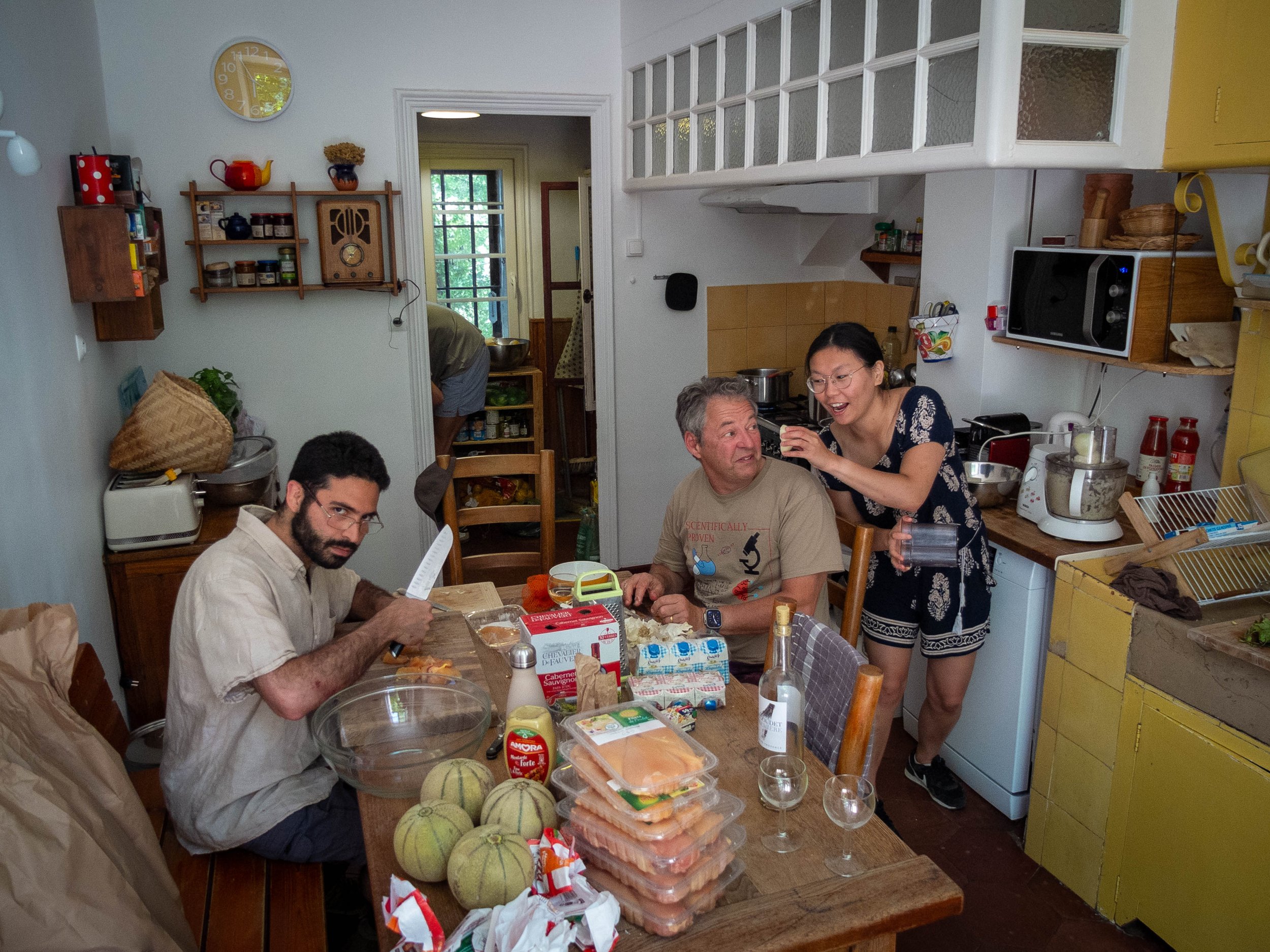
Some images of our PhysioNet Retreats